Data Engineering
83 articles in "Data Engineering"

7 Signs Python Pipelines Need Performance Profiling
Seven practical signals that reveal when your Python data pipeline needs profiling to find code, orchestration, or infrastructure bottlenecks.

Serverless Allocation Models For ETL And AI Workloads
Match serverless settings to each workload's tightest limit: latency for inference, throughput for ETL, dbt warehouse, joins for features.

Lakehouse Governance for PII: Best Practices
Layered lakehouse PII controls: column tags, catalog-driven masking/ABAC, lineage, audit logs, and automated deletion.

Apache Spark Certification Exam Topics List
Checklist of Spark exam essentials: DataFrames/SQL, joins, partitions, performance, streaming, and testing for hands-on prep.

What Makes Great Analytics Pull Requests
Keep analytics PRs small: state the change and impact, list affected metrics/models, and attach tests/screenshots for fast, accurate reviews.

Presto vs Trino Interview Questions
Explains the PrestoDB vs Trino split, rename, shared architecture, deployment differences, and interview-focused workload guidance.

30 Snowflake Interview Questions for Data Engineers
Core Snowflake interview topics: architecture, warehouses, recovery, loading, and security — emphasize trade-offs in cost, speed, and risk.
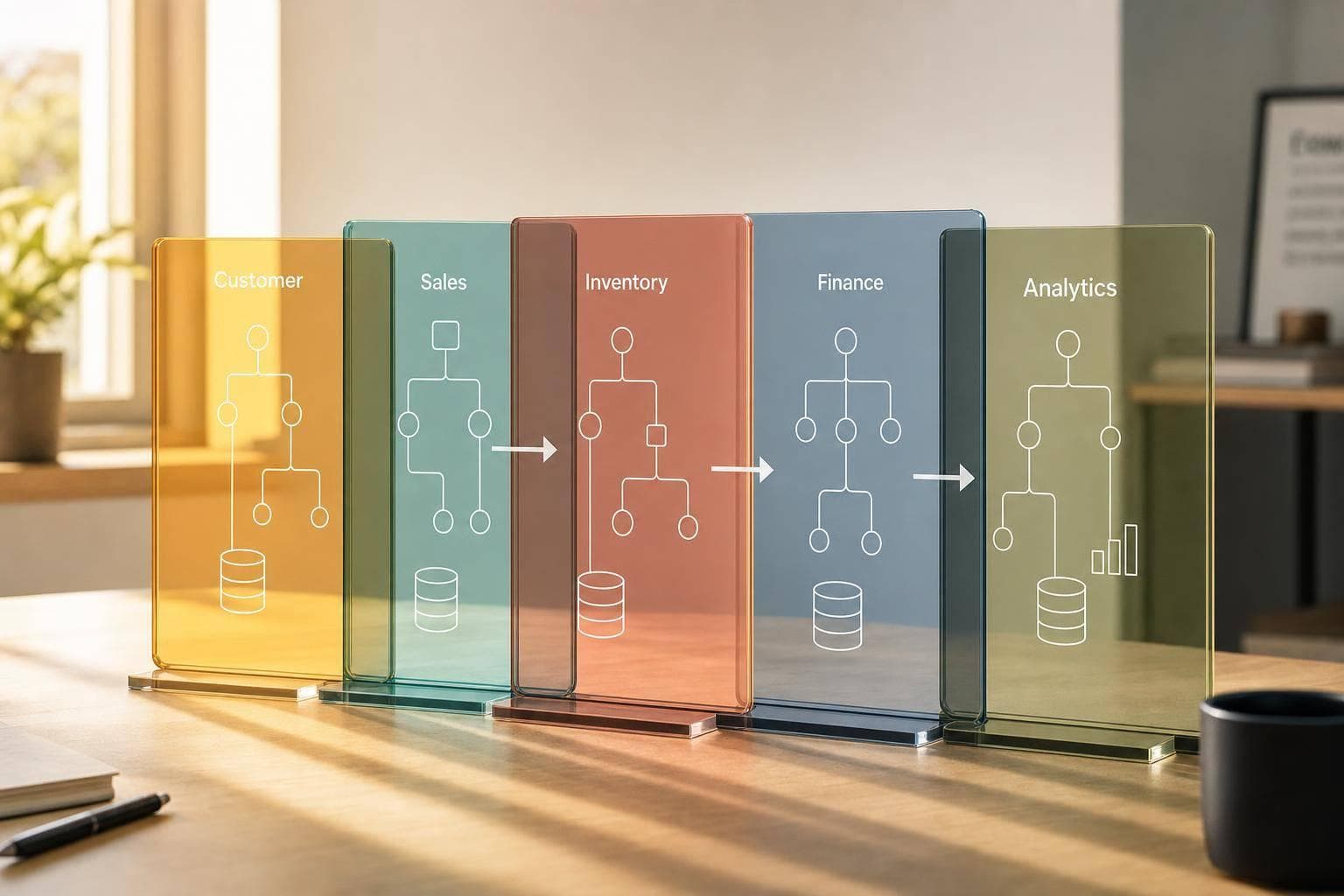
How to Use Context Mapping for Data Architecture
Map bounded contexts, classify relationships, and choose integration patterns to reduce rework, schema drift, and pipeline breakage.
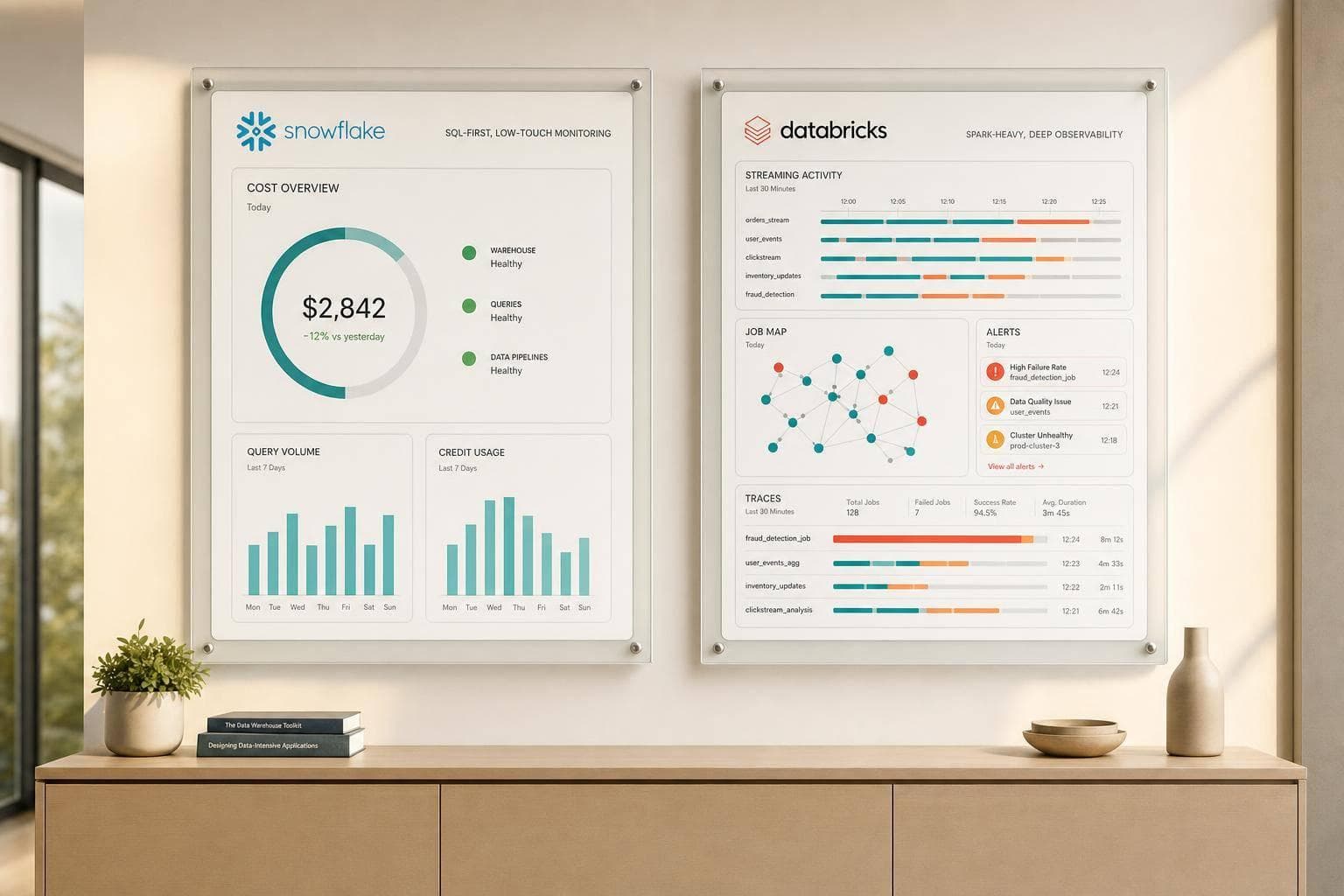
Snowflake vs. Databricks: Monitoring Features Compared
SQL-first platforms favor low-touch monitoring and credit controls, while Spark-heavy stacks demand deeper job and streaming observability.

How CQRS Works with Event Sourcing
Commands change state, events record facts, and projections build read models—covers aggregates, snapshots, concurrency, and replay.
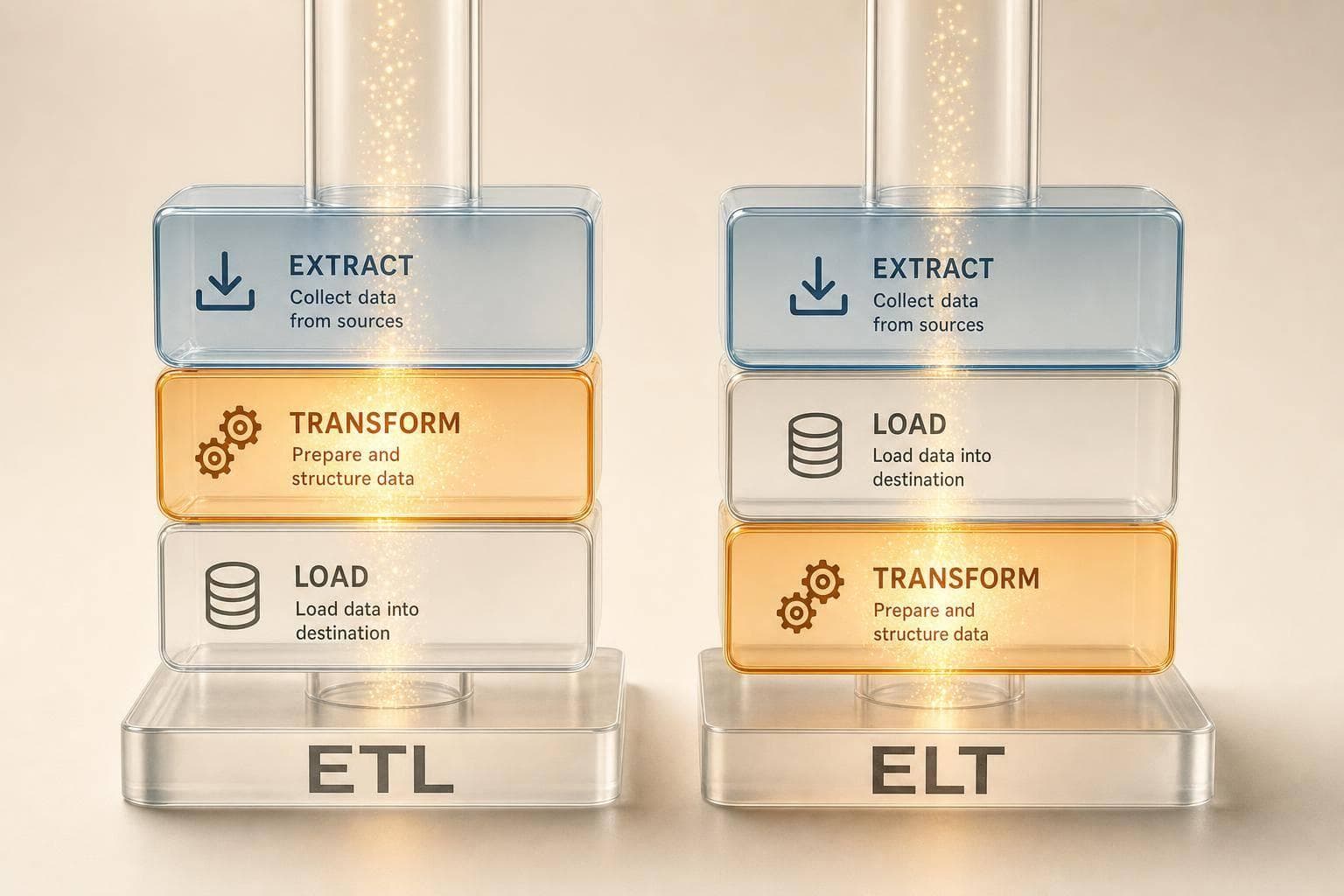
ETL vs ELT: Pros, Cons, and Use Cases
Quickly compare ETL and ELT: when to transform data, plus trade-offs in cost, security, scalability, and use cases.

AWS Data Engineer Practice Questions Explained
Matching AWS services to workload beats memorization—use access pattern, latency, and control to choose S3, Glue, Redshift, or Athena.